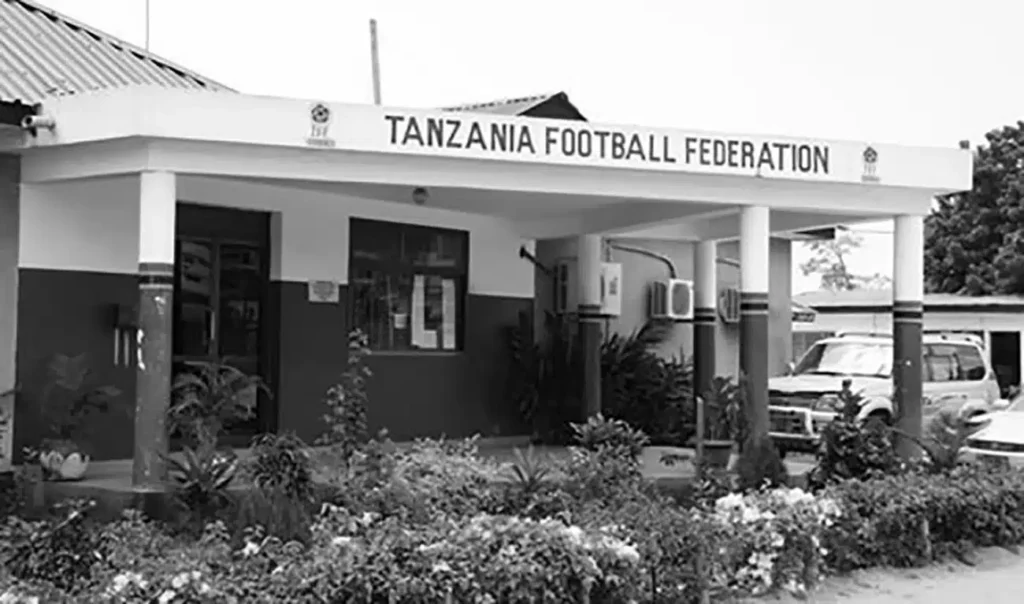
Football was introduced to Tanganyika (present-day mainland Tanzania) during the early 20th century by colonial administrators, quickly gaining popularity in urban centers such as Dar es Salaam, Tanga, Mwanza, and Zanzibar. Early competitions and the formation of local clubs highlighted the need for a formal governing body.
In 1930, the Football Association of Tanganyika (FAT) was established, becoming the first structured organization to oversee football activities in the country. Following Tanganyika’s independence in 1961 and the union with Zanzibar in 1964, FAT was recognized as the national governing body responsible for regulating and promoting football nationwide. In the same year, the federation became an official member of FIFA and the Confederation of African Football (CAF), marking Tanzania’s entry into regional and international competitions.
Over the following decades, the federation focused on professionalizing domestic leagues, developing youth programs, enhancing coaching standards, and improving refereeing and club infrastructure. Women’s football and youth national teams were gradually integrated into the federation’s programs to ensure inclusivity and long-term talent development.
In 2004, FAT was rebranded as the Tanzania Football Federation (TFF), reflecting modernization and alignment with international governance standards. Today, TFF manages the Tanzanian Premier League (NBC Premier League), lower division leagues, youth and women’s football, as well as Tanzania’s national teams: Taifa Stars (Men), Twiga Stars (Women), Serengeti Boys (U-17), and Ngorongoro Heroes (U-20).
Recent initiatives, including the establishment of the Tanzania Soccer Academy (TSA), emphasize talent development, education, and international competitiveness. Under the leadership of President Wallace Karia since 2017, TFF continues to strengthen governance, transparency, and strategic growth, ensuring that Tanzanian football remains a source of national pride and a platform for excellence on the continental and global stage.